
Innsights
FIFA 2026 and Hotel Valuation: Don't Capitalize the Spike
June 11, 2026 · IHA International
Major sporting events generate genuine hotel demand. They also generate overconfidence. As the FIFA World Cup 2026 kicks off across 16 North American host cities this week, hotel owners, investors, lenders and appraisers face a question that goes to the heart of sound valuation practice: how do you reflect a real but time-limited revenue spike in a feasibility analysis without inflating the long-term value conclusion?
The answer requires discipline, scenario structure and a clear separation between event-driven cash flows and the stabilized income a hotel will actually produce once the final whistle blows.
The Pricing Signal Is Real and Concentrated
Lighthouse data on the 16 host cities shows average advertised rates rose 13.9% after the group-stage draw, moving from about US$438 to US$499 per night across all destinations. The same data shows match days commanding a premium of roughly 30% over non-match days.
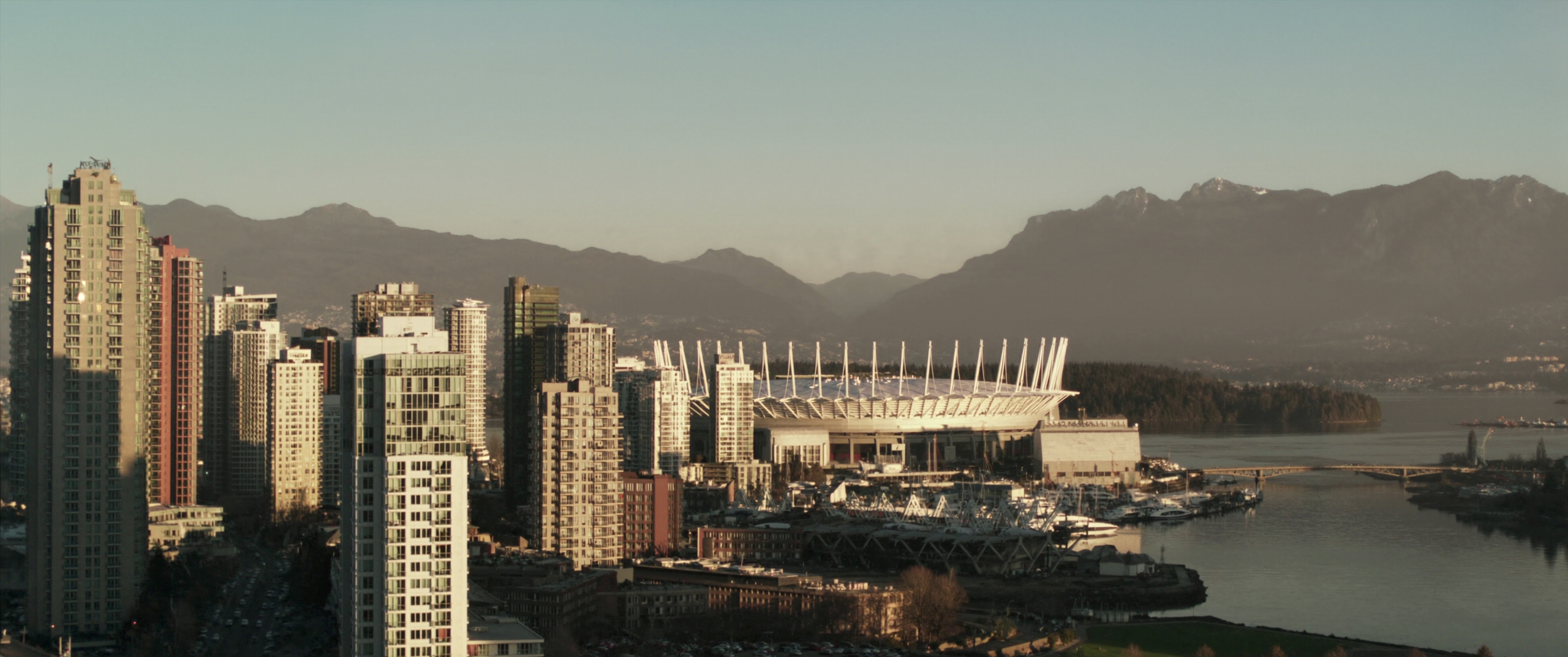
These are material numbers. But they are concentrated in time and highly uneven across markets. Vancouver is currently the costliest host city, with peak group-stage game-day rates that reached about US$1,455 after the draw and its own typical group-stage Average Daily Rate (ADR) rising from approximately US$1,106 to US$1,229, a Vancouver-specific figure well above the cross-city average. In Vancouver, reported FIFA room-block releases have returned inventory to the market, demonstrating why early compression signals should not be treated as stabilized demand without current, date-specific pricing support. Miami, with its existing strength as a leisure destination, has 55% of surveyed hotels reporting booking pace ahead of expectations.
That last detail matters. Events of this scale tend to amplify the performance of already-strong markets rather than transform weaker ones. Vancouver and Miami are not being created by the World Cup. They are being accelerated by it, temporarily.
The Downside Risk Is Already Visible
The American Hotel and Lodging Association's (AHLA) FIFA World Cup 2026 Hotel Outlook, published in May 2026, offers a useful corrective to early optimism. The survey covers hoteliers across the 11 US host cities, and while no equivalent Canadian survey exists, the demand dynamics it describes apply to all host markets. Eighty percent of surveyed hoteliers reported bookings tracking below their initial forecasts. Visa barriers and geopolitical concerns are cited by 65 to 70% of respondents as significantly suppressing international demand. FIFA room-block releases have unwound early "sold-out" signals, with roughly half of surveyed operators reporting material room-block releases.
Only a minority of host cities, generally those with strong existing leisure demand or confirmed team base camps, are seeing meaningful incremental uplift.
This is not a reason to dismiss the event as a demand driver. It is a reason to underwrite it carefully, with a base case that reflects current evidence rather than the peak of pre-draw enthusiasm.
Macro Impact Numbers Do Not Belong in Asset-Level Underwriting
FIFA has projected approximately US$40.9 billion in global GDP impact from the tournament, with individual US host cities expected to see US$160 million to US$620 million in incremental economic activity. Los Angeles County alone is projected to receive up to US$594 million in total economic impact and approximately US$243 million in additional wages from eight matches.
These figures are useful for city planners, tourism boards and policy makers. They are not inputs for a hotel feasibility model or an income capitalization conclusion.
GDP impact estimates capture spending across retail, food service, transportation and entertainment. They do not translate proportionally into hotel Revenue Per Available Room (RevPAR) at the asset level. Embedding macro projections into stabilized income assumptions is one of the most common and consequential errors in event-driven hotel underwriting.
How to Structure the Analysis Correctly
For Canadian and North American host markets, a sound feasibility approach requires three things.
First, isolate event revenue. Model match-day and surrounding-night ADR premiums as a discrete line in the cash flow, not as a step-change in stabilized ADR. Definitive rate evidence tends to arrive late relative to a conventional underwriting cycle. Build that uncertainty into your assumptions.
Second, revert to normalized performance. Post-event ADR and occupancy should revert to pre-event trend lines unless there is specific, defensible evidence of permanent demand improvement tied to infrastructure investment, expanded airlift or a measurable shift in brand visibility for the destination.
Third, use scenario analysis. A base case should reflect the current reality: sub-forecast bookings, room-block releases and uneven city-level performance. An upside case can reflect the observed match-day ADR premiums of roughly 30% applied across a defined and limited set of game-day nights. The spread between those scenarios is not a problem to eliminate. It is information for the investor and lender to weigh.
IHA's View
The FIFA World Cup 2026 will produce real, measurable hotel revenue in select markets on select dates. Vancouver, for example, presents a credible case for material short-term ADR uplift given existing demand depth and confirmed game-day pricing. But a hotel is valued on the income it will produce over its remaining economic life, not on the income it produces during one tournament.
Capitalizing event-driven profits as if they were stabilized, recurring income inflates value, misrepresents risk and creates the conditions for post-event underperformance that surprises no one in hindsight.
Our practice is to treat event revenue as what it is: a discrete, time-limited cash flow component that enriches a scenario analysis but does not redefine a cap rate conclusion. Appraisers, lenders and investors who maintain that discipline now will produce work that holds up after the crowds have gone home.
IHA International provides hotel valuation, feasibility and advisory services across Canada and North America. For market-specific analysis of FIFA World Cup 2026 impacts on hotel value, contact our team at hotelappraisals.com.